Apple has officially launched its Security Research Device Program, which features what the company says are specially fused iPhones, available on application for a renewable 12 month period.
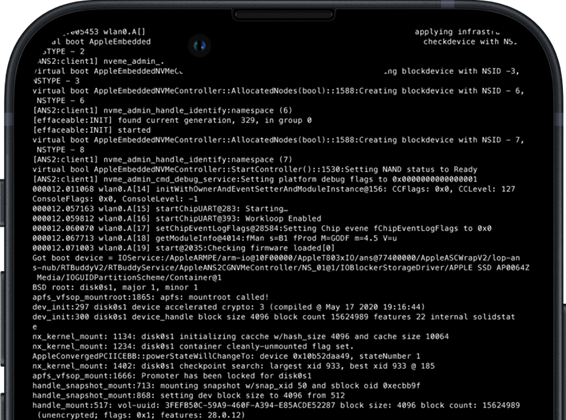
The reasoning behind the SRD program is to allow researchers to dig into iOS on what Apple claims is the world's most secure consumer mobile device.
SRD provides shell access to the iPhone, kernel customisation, the ability to run any tools, and granting entitlements to executables, Apple said.
However, the SRD isn't meant for personal use and daily carry Apple said, and must remain on premises at all times and only be accessed by people approved by the company.
Any vulnerabilities found by researchers must be reported to Apple, and they are automatically considered for the company's Security Bounty which, depending on the seriousness of the bug, can award up to US$3 million.
Apple is inviting researchers who have enrolled in its developer programs to apply for the SRD throughout November this year, with Australia and New Zealand being on the list of approved countries.
SRD is not available in any countries or regions embargoed or people sanctioned by the United States government.
Prior to the SRD, Apple has been involved in a lengthy legal fight against security startup Corellium, accusing the latter company of violating its copyright by using iPhone simulators for research.



.jpg&h=140&w=231&c=1&s=0)
.jpg&h=140&w=231&c=1&s=0)
.jpg&h=140&w=231&c=1&s=0)


 What’s Next?
 Cloud Resilience Summit
 iTnews Benchmark Security Awards 2026
 iTnews State of Security Breakfast Sydney
 iTnews Executive Retreat - Security Leaders Edition - VIC




.jpg&h=140&w=231&c=1&s=0)


.jpg&h=140&w=231&c=1&s=0)