US FCC toughens submarine communication cable rules

By
Follow google news

Will make it harder for Chinese companies to provide equipment.

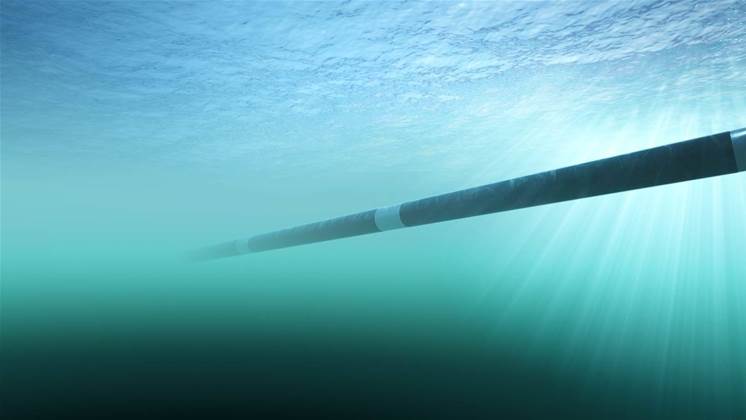
The US Federal Communications Commission has voted to ⁠toughen oversight ⁠of submarine communications cables that handle 99 percent of international internet traffic, proposing rules that will make it harder for Chinese companies to provide equipment and fast-track approvals for trusted US tech firms.

US FCC toughens submarine communication cable rules

The FCC said it was planning to ‌require licenses for the first time for operators of submarine ‌line ‌terminal equipment, which performs the most critical function of ‌a submarine cable system by connecting to US terrestrial facilities.

US ⁠companies such as Facebook parent Meta and Alphabet unit Google will benefit from the process to get quicker approval to operate additional undersea cable systems to handle growing internet traffic.

"We presumptively exempt cable applications from extensive and time-consuming ​reviews, but only if such applicants can certify to stringent security standards and agree to ongoing oversight and monitoring," FCC chair Brendan Carr ⁠said.

"The message is simple: adopt strong national security standards, and get a glide path to application approval."

The fast-track requires companies that operate cables to guard against espionage and other security incidents and strictly monitor compliance with national security and data security. Operators would also have to agree not to use foreign equipment that could pose security risks.

With the undersea internet cable business booming, the FCC last year barred the use of equipment or services in undersea cable facilities from companies it ​has deemed and listed as posing threats to ⁠US national security.

The firms that were barred included Huawei, ZTE, ⁠China Telecom and China Mobile, but the new rules are expected to expand the ban to include the ​use of equipment from China or any other country it deems a foreign adversary ‌in US submarine ⁠cable systems.

For more than a year, US officials have voiced concern about the network of more than 400 subsea cables that handle nearly all international internet traffic, arguing that there were threats from China ‌and Russia.

In 2021, the Justice Department said that national security agreements on submarine cables with Google and Meta were needed given China's "sustained efforts to acquire the sensitive personal data of millions of US persons."

Earlier this month, China said the US ​should treat Chinese companies fairly.

"China is strongly dissatisfied and firmly opposes this," the commerce ministry said in a June statement, reacting to the listing of Chinese companies.

"China urges the US to immediately stop its ‌erroneous practices, immediately ⁠withdraw relevant measures and return ​to the correct track of building a constructive strategic and stable China-US relationship."

The Chinese embassy did not immediately return a ​request for comment.

Add iTnews as your trusted source

Got a news tip for our journalists? Share it with us anonymously here.
Tags:

Most Read Articles

Optus takes on 450 staff to address triple zero crisis

Optus takes on 450 staff to address triple zero crisis

Telstra directs automation at triaging a 5G misconfiguration

Telstra directs automation at triaging a 5G misconfiguration

Samsung triple zero firmware issue set to grow as inquiry nears

Samsung triple zero firmware issue set to grow as inquiry nears

US spectrum auction will fund purge of Huawei, ZTE, other Chinese telecom gear

US spectrum auction will fund purge of Huawei, ZTE, other Chinese telecom gear

Log In

  |  Forgot your password?