Anthropic has filed a lawsuit to block the Pentagon from placing it on a national security blacklist, escalating the artificial intelligence lab’s high-stakes battle with the US military over usage restrictions on its technology.
Anthropic said in its lawsuit that the designation was unlawful and violated its free speech and due process rights.
The filing in federal court in California asked a judge to undo the designation and block federal agencies from enforcing it.
“These actions are unprecedented and unlawful. The Constitution does not allow the government to wield its enormous power to punish a company for its protected speech," Anthropic said.
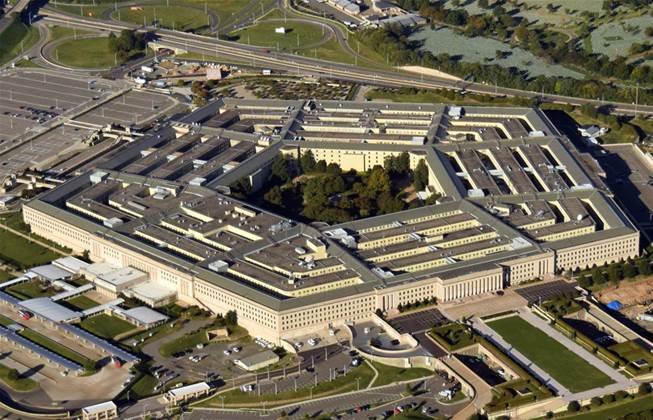
The Pentagon last week slapped a formal supply-chain risk designation on Anthropic, limiting use of a technology that two sources said was being used for military operations in Iran.
Defense secretary Pete Hegseth designated Anthropic after the startup refused to remove guardrails against using its AI for autonomous weapons or domestic surveillance.
The two sides had been in increasingly contentious talks over those limitations for months, Reuters first reported.
Trump in a social media post ordered the entire government to quit using Claude.
The dispute is notable in part because Anthropic aggressively courted the US national security apparatus before most other AI companies.
CEO Dario Amodei has said he isn't opposed to AI-driven weapons, but believes the current generation of AI technology isn't good enough to be accurate.
Anthropic officials said the lawsuit doesn't preclude re-opening negotiations with the US government and reaching a settlement.
The company has said it does not want to be fighting with the US government. The Pentagon said it wouldn't comment on litigation. Last week, a Pentagon official said the two sides were no longer in active talks.
The designation poses a big threat to Anthropic’s business with the government, and the outcome could shape how other AI companies negotiate restrictions on military use of their technology, though Amodei clarified last week that the designation had "a narrow scope" and businesses could still use its tools in projects unrelated to the Pentagon.
"This could have a ripple impact for Anthropic and Claude potentially on the enterprise front over the coming months as some enterprises could go pencils down on Claude deployments while this all gets settled in the courts," said Wedbush analyst Dan Ives.
Anthropic and some of its business partners have said the Pentagon designation only affects use of Claude for contracts between the Pentagon and its suppliers, but Trump in a social media post ordered the entire government to quit using Claude, and the lawsuit names many other federal agencies as defendants.
In a second lawsuit filed on Monday, Anthropic said the government had also designated it a supply chain risk under a broader law that could lead to Anthropic being blacklisted across the entire civilian government.
The scope of that designation is not yet clear because the government must conduct an interagency review to determine how broadly the restrictions should apply, according to a person familiar with Anthropic’s legal strategy.
Anthropic said in the second lawsuit in the US Court of Appeals for the District of Columbia Circuit that the designation was unlawful and violated its Constitutional rights.
Reuters has reported that Anthropic's investors were racing to contain the damage caused by the fallout with the Pentagon.
Trump and Hegseth’s actions came after months of talks with Anthropic over whether the company’s policies could constrain military action and shortly after Amodei met with Hegseth in hopes of reaching a deal.
The Pentagon said on February 27 that it would declare Anthropic as a supply-chain risk. It officially informed Anthropic of that designation on March 3.
The Pentagon said US law, not a private company, would determine how to defend the country and insisted on having full flexibility in using AI for “any lawful use,” asserting that Anthropic’s restrictions could endanger American lives.
Anthropic said even the best AI models were not reliable enough for fully autonomous weapons and that using them for that purpose would be dangerous.
The company also drew a red line on domestic surveillance of Americans, calling that a violation of fundamental rights.
After Hegseth’s announcement, Anthropic said in a statement that the designation would be legally unsound and set a dangerous precedent for companies that negotiate with the government.
The company said it would not be swayed by “intimidation or punishment,” and last week Amodei reiterated that Anthropic would challenge the designation in court.
He also apologised for an internal memo published by tech news site The Information. In the memo, which was written last Friday, Amodei said Pentagon officials did not like the company in part because “we haven’t given dictator-style praise to Trump."
The US Defense Department signed agreements worth up to US$200 million ($282.88 million) each with major AI labs in the past year, including Anthropic, OpenAI and Google.
Microsoft-backed OpenAI announced a deal to use its technology in the Defense Department network shortly after Hegseth moved to blacklist Anthropic.
CEO Sam Altman said the Pentagon shared OpenAI's principles of ensuring human oversight of weapon systems and opposing mass US surveillance.

Cyber Resilience Summit
iTnews Executive Retreat - Security Leaders Edition
Huntress + Eftsure Virtual Event -Fighting A New Frontier of Cyber-Fraud: How Leaders Can Work Together
iTnews Cloud Covered Breakfast Summit
Melbourne Cloud & Datacenter Convention 2026