Report: US hunts Wikileaks founder


Soldier said to have leaked 260,000 classified cables.

US authorities are seeking to interview Wikileaks founder, Australian Julian Assange, following allegations that he was sent a huge cache of classified State Department cables by a disgruntled soldier in Iraq.

Officials at the Pentagon have determined that Bradley Manning, a 22 year-old Army intelligence specialist, passed information to Wikileaks, including the already published video of the killing of two Reuters correspondents and Iraqi civilians, as well as over 260,000 cables between the US and Iraq, according to a report in The Daily Beast.

Manning was arrested two weeks ago and is currently in a military prison in Kuwait.

"Hillary Clinton and several thousand diplomats around the world are going to have a heart attack when they wake up one morning and find an entire repository of classified foreign policy available in searchable format to the public," Manning wrote in messages obtained by Wired.

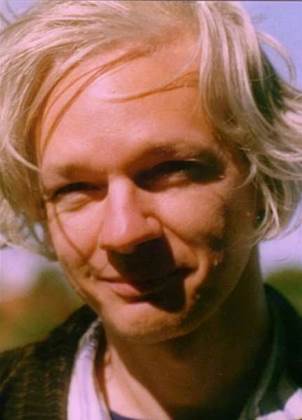
The officials fear that the disclosure of the documents will harm US national security, and say that Assange [pictured] has broken US law by receiving and decrypting the material.

"We would like to know where he is. We would like his co-operation in this," one US official told The Daily Beast.

The contents of the cables are likely to be discussions of foreign policy objectives, situation reports from the ground and advice on overseas diplomatic leaders.

"If he really had access to these cables, we've got a terrible situation on our hands," an anonymous American diplomat told The Daily Beast.

"We're still trying to figure out what he had access to. A lot of my colleagues overseas are sweating this out, given what those cables may contain. "

Assange has already cancelled two scheduled trips to the US for fear that he could be arrested on arrival.

"Looks like we're about to be attacked by everything the US has," said Wikileaks via a Twitter post.

The site added that it had not yet been contacted by the State Department, and that "any signs of unacceptable behaviour by the Pentagon or its agents towards this press will be viewed dimly".

The apparent ease with which military encryption systems have been broken by Wikileaks is causing serious concern in security circles. If military encryption systems are weak, commercial systems used by business may also be at risk.

Copyright ©v3.co.uk


Report: US hunts Wikileaks founder
"Yes, we need to break those smart analysts. . . More seriously, if Conboy & Co go ahead with their threatened ten year retention rule for ISPs, it could mean virtually the end of whistle-blowers ..."
By anonymous


Comments: 4
Graeme Harrison (prof at-symbol post.harvard.edu)
Jun 15, 2010 9:04 AM
Welllll, as they say "Don't say anything you would not be happy having repeated!"

I'd have thought that in Obama's Administration, the US might have given up witch-hunts over media publishing things which came into the public domain. But clearly the Pentagon and State Dept are 'worried like hell' to shut down the yet-to-be-published cables and to send a strong message to all others (internal and external) who may think of leaking something, or think of publishing something that was leaked.

Now, clearly the Pentagon will 'burn at the stake' any internal leakers (as their military law allows)... but technically Wiki (being truly trans-national) ought get off... unless the CIA is given the job of again doing dirty tricks to prevent further disclosure about dirty tricks. Of course this is a slippery slope, as 30 years of helping dictatorships in Central and South America showed... you go in for a somewhat noble cause and end up being the worst of all devils - undermining democracy - the right the Founding Fathers thought was the highest right of all.

A bit of daylight shone on how the Reuters reporters were assassinated (collateral damage) can only help the US perform better in such situations in future. So the US ought take it as a 'negative review' but move on, accepting such criticism. There was nothing in that airstrike video that the peoples of the Mid-East did not already know. So the leak did not give comfort to the enemies of the US - it is such killing of civilians which does that!

Graeme (former Harvard Consultant to The White House during the Carter Administration)
ITnovice
Jun 15, 2010 5:49 PM
If Wikileaks was able to brake military encryption that easily they either had help from inside or they have massive resources at their disposal.

Why worry so much, they only publish very few documents they receive and not usually ones that will endanger lives.
johnpro2
Jun 17, 2010 8:47 AM
Personal info and whiners complaints soon fall off the front page ..folk only want to know when it is a 'secret'

Of course the military can always use dirty tricks of misinformation, but this can often unravel.Too many smart annalists with too much play time it would seem.
jp
anonymous
Jun 17, 2010 10:37 AM

Yes, we need to break those smart analysts. . .

More seriously, if Conboy & Co go ahead with their threatened ten year retention rule for ISPs, it could mean virtually the end of whistle-blowers being able to pass on information.
Comments have been disabled for this article.


Top Stories
The New Zealand telco problem
Opinion: Could Telstra save Kiwi telcos?
 
IT price probe to 'name and shame' gougers
Industry ducking the issue, committee claims.
 
Revealed: 2012 e-government award winners
Government highlights projects, professionals of the year.
 
Sign up to receive iTnews email bulletins
   FOLLOW US...

Latest VideosSee all videos »

Latest Comments
Polls
Should the Government enact new legislation to protect copyright holders in the digital age?

   |   View results
Yes
  19%
 
No
  81%
TOTAL VOTES: 480

Vote